

Have you been hearing a strange “pop-pop-pop” sound from your local parks or tennis courts lately? Chances are, you’ve stumbled upon the phenomenon of pickleball. This fun, social, and incredibly addictive paddle sport is sweeping the globe, and for good reason! It’s easy to learn, fantastic for all ages, and a great way to stay active.
If you’re curious about what all the fuss is about, you’ve come to the right place. In this first part of our beginner’s series, we’ll cover the fascinating origins of the game, the basics of how to win, and the one unique court rule you absolutely need to know.
A Casual Creation: The History of Pickleball
It might surprise you to learn that this booming modern sport has its roots in a simple summer weekend back in the 60s. It wasn’t invented in a high-tech sports lab, but by dads trying to entertain their families.
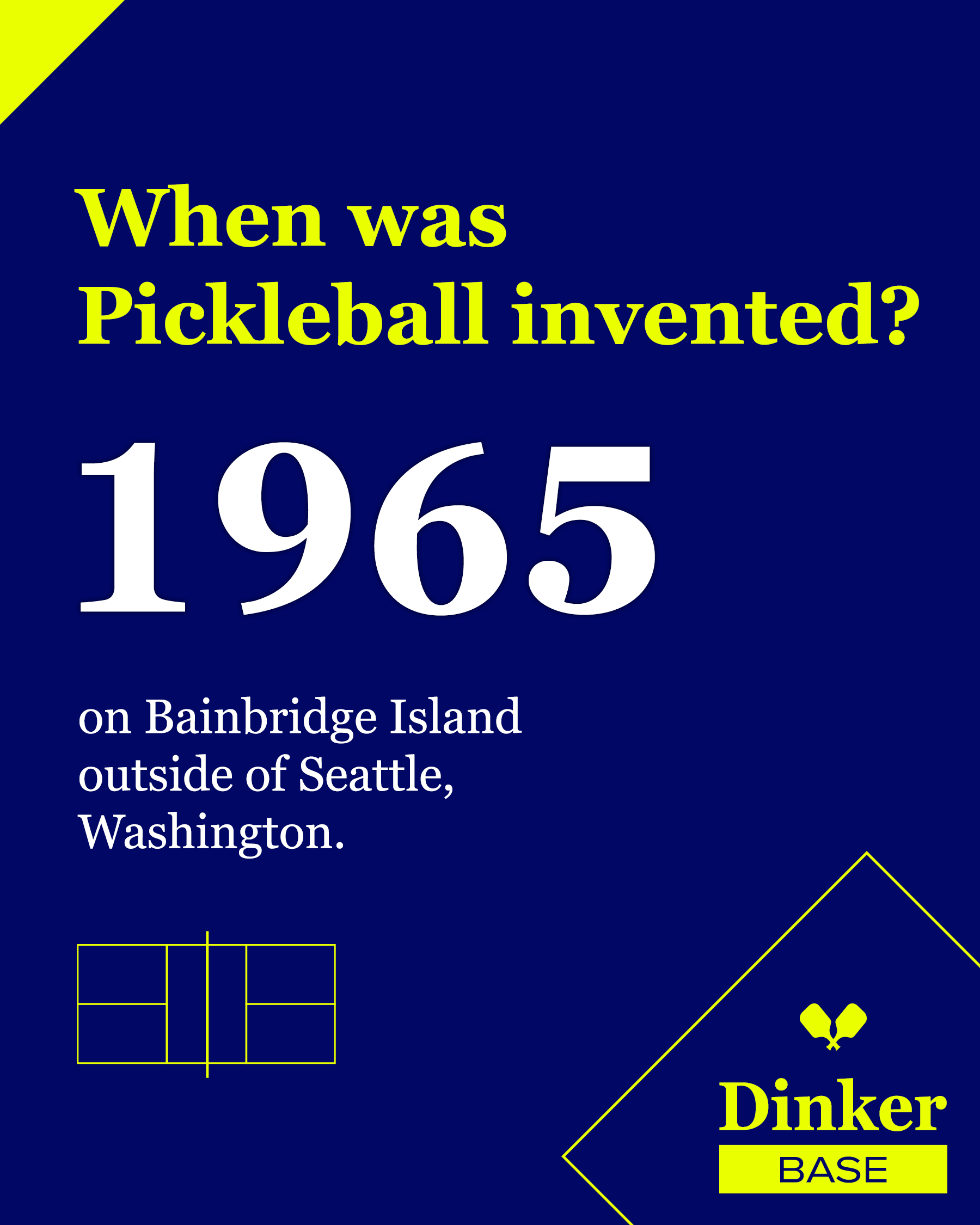
- When and Where: As our infographic highlights, pickleball was invented in the summer of 1965 on Bainbridge Island, Washington, just outside of Seattle.
- The Inventors: The creative minds behind the game were three friends: Joel Pritchard, Bill Bell, and Barney McCallum.
The story goes that upon returning from golf one Saturday, they found their families bored. They attempted to set up badminton but couldn’t find the shuttlecock. So, they improvised with paddles and a perforated plastic ball, lowered the net, and a new pastime was born. The game’s quirky name has a couple of origin stories, one involving a family dog named Pickles and another referencing a “pickle boat” in crew, but the fun of the game is undeniable.
How to Win: The Basics of Scoring
Pickleball can be played as singles or doubles, but the scoring goal remains the same. It’s a game of strategy and patience, not just power.
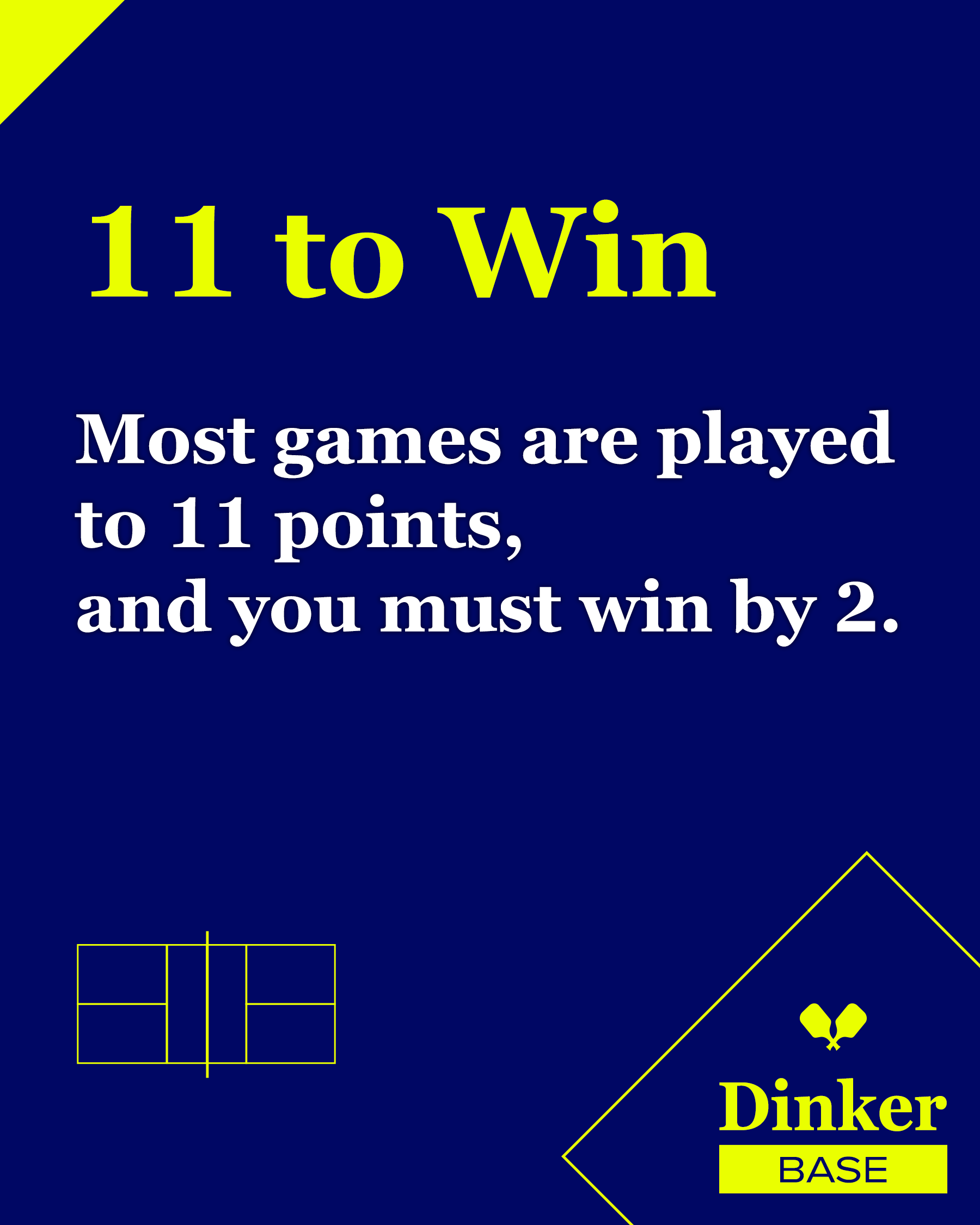
- The Goal: Most standard pickleball games are played to 11 points.
- Win By Two: Just reaching 11 isn’t enough to claim victory. You must win by a margin of at least 2 points. For example, a game could end at 11-9, but if the score is tied at 10-10, play continues until one side is two points ahead (e.g., 12-10, 13-11).
Another key scoring rule to remember for beginners is that you can only win points when your side is serving. This adds an extra layer of strategy to the game!
Mastering “The Kitchen” (The Non-Volley Zone)
Every sport has its unique quirks, and for pickleball, it’s “The Kitchen.” This is the most famous—and often most misunderstood—part of the court.
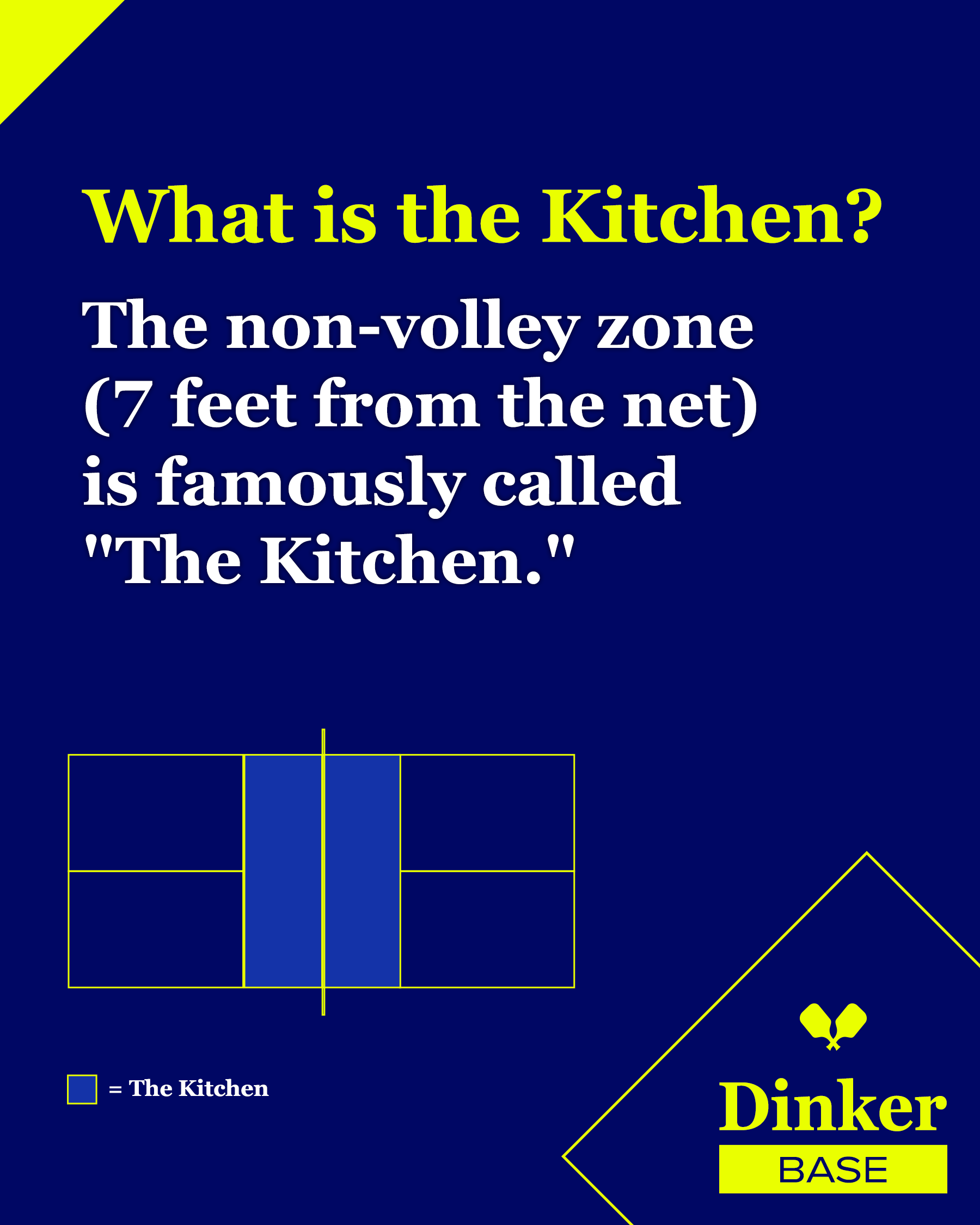
- What It Is: The Kitchen is the common nickname for the non-volley zone, which is the 7-foot area extending from the net on both sides of the court.
- The Golden Rule: The rule is simple but crucial: You cannot volley the ball while standing in the Kitchen. A “volley” is hitting the ball out of the air before it bounces.
This rule is designed to prevent players from standing right at the net and smashing every ball. It encourages longer, more strategic rallies involving soft shots (called “dinks”) and thoughtful placement. You are allowed to step into the Kitchen to hit a ball after it has bounced, but you must plant your feet outside of the line before hitting a volley.
Ready for More?
Now that you know the origin story, the winning score, and the all-important Kitchen rule, you have a solid foundation. But there’s still more to learn before you hit the courts with confidence!
Stay tuned for Part 2 of our Pickleball Beginner’s Guide, where we’ll dive into other essential rules like the “two-bounce rule,” explain court dimensions, and give you tips on choosing your first paddle.